

What Is Qwen2.5-Coder 32B?
Qwen2.5-Coder 32B is Alibaba's flagship open-source coding model released in October 2024. It is a dense 32-billion-parameter transformer trained specifically on code, with a 128k token context window that comfortably handles entire repositories. The model ships under an Apache 2.0 license, meaning you can run it commercially without paying per-token fees.
Benchmark Results
On the two most widely cited coding benchmarks, Qwen2.5-Coder 32B delivers:
- HumanEval: 92.7% pass@1 - GPT-4o sits at roughly 90.2% on the same split
- MBPP: 90.2% pass@1 - within 2 points of closed frontier models
- MultiPL-E (multilingual): strong across Python, Java, C++, JavaScript, Shell, and SQL
- LiveCodeBench (real competitive problems, not data-contaminated): outperforms CodeLlama 70B by a wide margin
The 32B instruct variant is the one to benchmark against GPT-4o. The base weights are also available for teams that want to fine-tune on proprietary codebases.
Running Locally with Ollama
ollama pull qwen2.5-coder:32b
ollama run qwen2.5-coder:32b
On an M2 Max MacBook Pro with 64 GB unified memory, the 32B model runs at roughly 12 - 15 tokens/second in Q4_K_M quantization. That is fast enough for interactive use. On an A100-80GB, you can serve the full BF16 weights at full speed via vLLM:
vllm serve Qwen/Qwen2.5-Coder-32B-Instruct --max-model-len 32768Fill-in-the-Middle (FIM) for Code Completion
Unlike instruction-tuned chat models, Qwen2.5-Coder also supports fill-in-the-middle inference - meaning you can give it a prefix and a suffix and it fills the gap. This is the same mechanism that powers Copilot-style autocomplete. The tokens are:
<|fim_prefix|>- code before cursor<|fim_suffix|>- code after cursor<|fim_middle|>- model fills here
from openai import OpenAI

client = OpenAI(base_url="http://localhost:11434/v1", api_key="ollama")

prefix = "def calculate_fibonacci(n: int) -> list[int]:\n    "
suffix = "\n    return result"

response = client.completions.create(
    model="qwen2.5-coder:32b",
    prompt=f"<|fim_prefix|>{prefix}<|fim_suffix|>{suffix}<|fim_middle|>",
    max_tokens=200,
    temperature=0.2,
)
print(response.choices[0].text)
Language Specialization
The model was trained with deliberate focus on:
- Python - NumPy, pandas, PyTorch idioms, type annotations
- SQL - joins, CTEs, window functions, dialect-aware (PostgreSQL vs MySQL)
- Shell - bash scripting, grep/awk pipelines
- JavaScript/TypeScript - async/await patterns, React hooks, Node.js APIs
SQL is a notable strength. When tested on Spider (text-to-SQL benchmark), Qwen2.5-Coder matches specialist SQL models trained exclusively on SQL data.
When to Choose It Over GPT-4o
Use Qwen2.5-Coder 32B when:
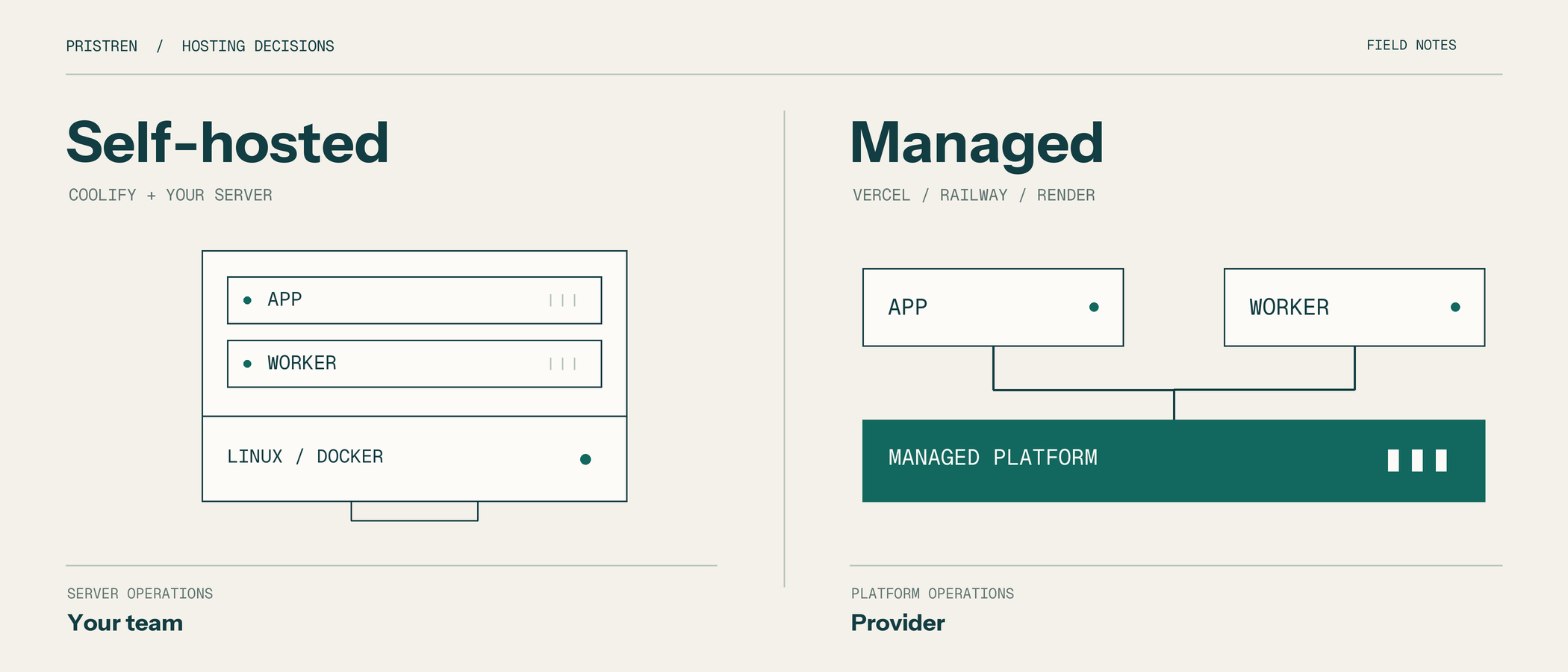
- You need to keep code on-premises for security or IP reasons
- You want zero marginal cost at high volume (CI pipelines, batch analysis)
- You need FIM-style completion rather than chat-based generation
- You want to fine-tune on your own codebase without vendor lock-in
GPT-4o still edges ahead on reasoning-heavy tasks that mix code with complex logic, and on generating long, coherent explanations alongside code. For pure code generation throughput, Qwen2.5-Coder 32B is a serious alternative.
Comments
Have a question or something to add? Sign in to join the discussion.